Choosing between NUST and FAST for Computer Science starts with two separate questions: where would you like to study, and which admission route gives you a realistic chance? A university preference does not remove the need to prepare for its particular test.
NET and FAST's test reward different preparation. NET-Engineering includes Physics and has no negative marking. FAST's computing test gives more space to Mathematics and analytical skills, and states a penalty for wrong answers. You can prepare for both, but you should not sit both with the same habits.
Compare the differences
| Test requirement | NET-Engineering | FAST computing test |
|---|---|---|
| Mathematics | Yes | Yes |
| Physics | Yes | No |
| English | Yes | Yes |
| Analytical skills and IQ section | No | Yes |
| Negative marking | No | Yes |
Build one core, then practise two tests
Build the overlapping Mathematics first. Then give Physics a place in your NET routine and prepare analytical questions separately for FAST. English belongs in both plans, although its weighting differs.
Keep a separate guessing rule for each test. On NET, an unanswered question has no advantage over a wrong one. For FAST, read the current instructions and calculate decisions from the actual penalty. Do not carry a "mark everything" habit into a test with negative marking.
Compare campuses, course outlines, total costs and travel after checking eligibility. Admission-test difficulty alone is a poor way to decide where you want to spend four years.
What the merit formulas mean
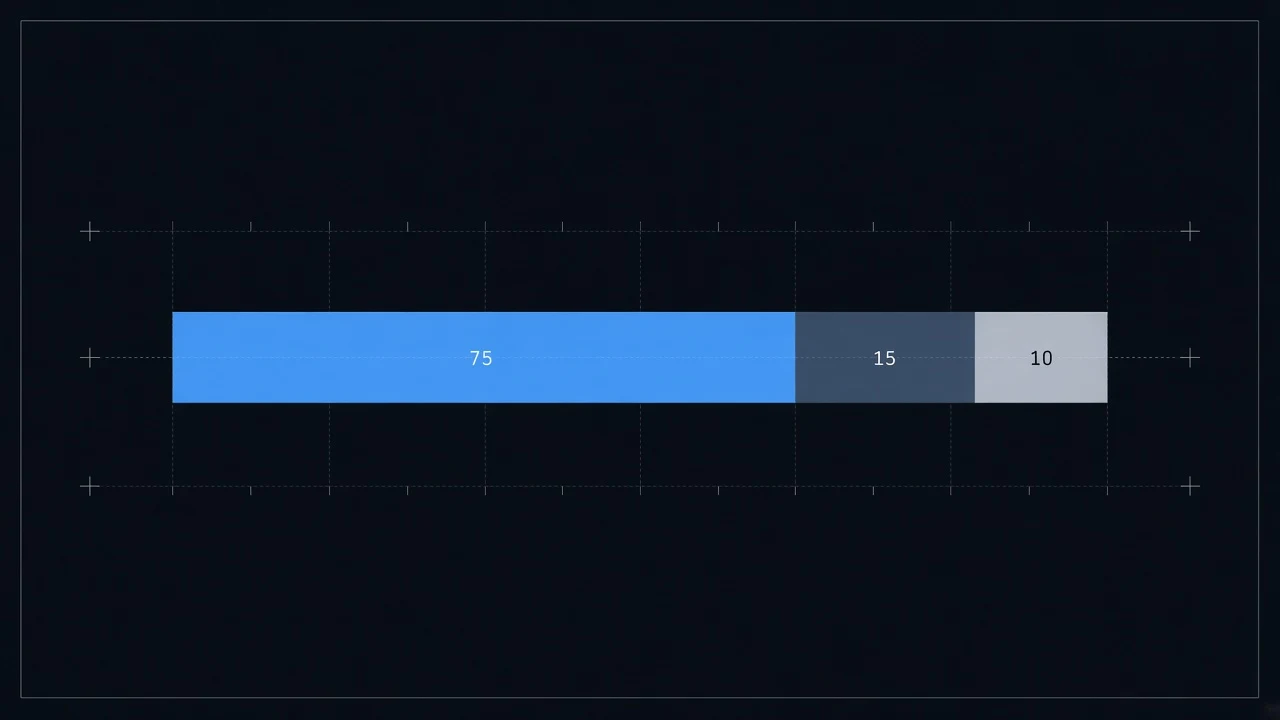
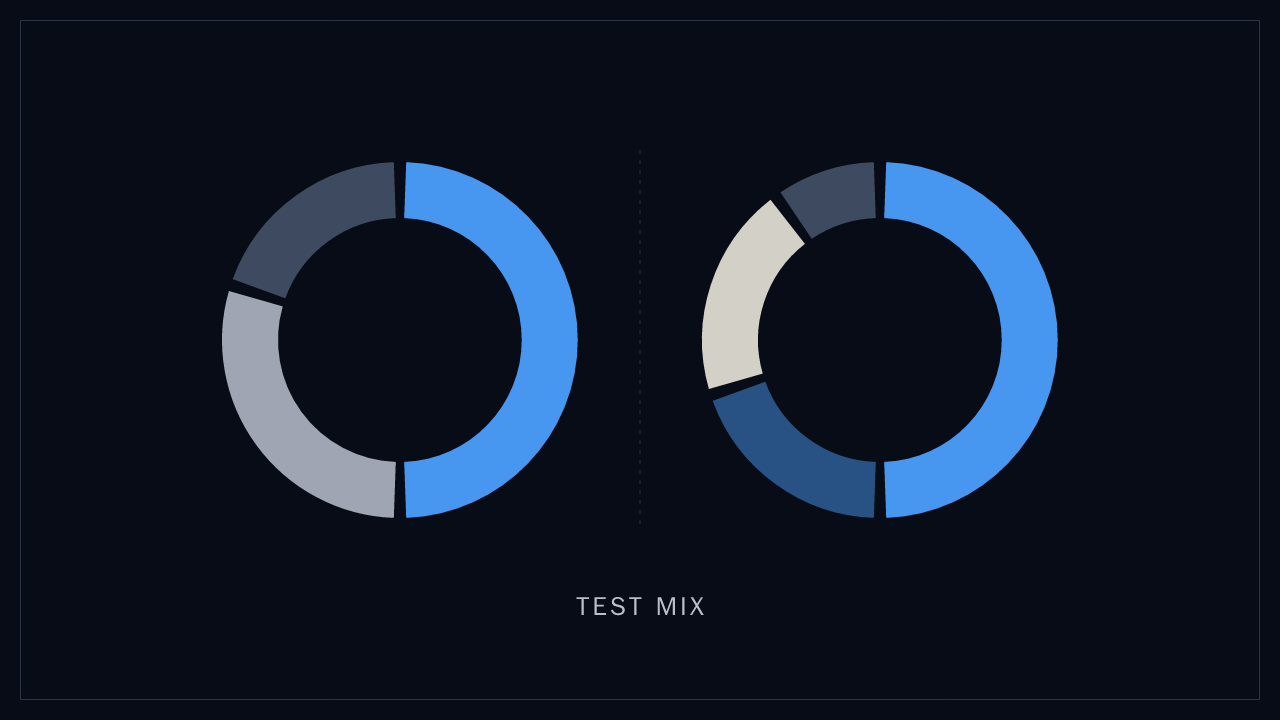
NUST  = NET% x 0.75  + HSSC% x 0.15 + SSC% x 0.10
FAST  = test% x 0.50 + HSSC% x 0.40 + SSC% x 0.10
At FAST, HSSC is worth 40 aggregate points. At NUST it is worth 15. A 10-point gap in your HSSC percentage moves your FAST aggregate by 4 points and your NUST aggregate by 1.5.
Take two applicants with 85% in matric and 65% on both tests. One has 85% in HSSC, the other 70%:
NUST, HSSC 85%:  48.75 + 12.75 + 8.5 = 70.00
NUST, HSSC 70%:  48.75 + 10.50 + 8.5 = 67.75
FAST, HSSC 85%:  32.50 + 34.00 + 8.5 = 75.00
FAST, HSSC 70%:  32.50 + 28.00 + 8.5 = 69.00
The gap between them is 2.25 points at NUST and 6 at FAST. If your FSc is strong, FAST rewards it. If your FSc went badly, NUST is where a strong test score can carry you.
FAST uses HSSC Part-I and Part-II if both are out, or Part-I alone if Part-II isn't. NUST measures HSSC out of 550 for Part-I or 1100 for the full result. The merit formula post walks through NUST's version, and the aggregate calculator does the arithmetic.
Check computing eligibility
| Rule | NUST | FAST |
|---|---|---|
| SSC minimum | 60% | 60% |
| HSSC minimum | 60% | 50% |
| HSSC subjects | Pre-Engineering, ICS, Pre-Medical, or any group with Mathematics | Mathematics required. Pre-Medical with additional Maths is eligible |
| Test options | NET, or ACT/SAT for limited seats | FAST test, SAT, or NTS NAT-IE / NAT-ICS. Pick one |
Two rows matter here. FAST's HSSC floor is 50%, so a student with 55% in HSSC can apply to FAST computing but not to NUST. And NUST accepts Pre-Medical students without additional Mathematics into computing, as long as they clear Mathematics deficiency courses after admission. FAST's rule names Pre-Medical with additional Maths.
FAST's computing degrees are BS AI, CS, Cyber Security, Data Science and Software Engineering. NUST's computing group has BS CS, SE, AI and Data Science, all on NET-Engineering. The NUST computer science post lists which NUST school offers which.
Your next step
Use the aggregate calculator to understand your NUST position, then choose a target for your preparation. Keep the multi-test plan beside your calendar so the test-specific work does not arrive as a surprise.
For the NET part, use chapter practice to fix methods and full papers to rehearse timing. Return to the current FAST admissions pages for its own test and application instructions.
Sources and scope
- NUST computing merit: NET 75%, HSSC 15%, SSC 10%
- FAST computing merit: admission test 50%, HSSC 40%, SSC 10%
Source: NUST merit criteria and weightings pages; FAST-NUCES eligibility criteria, test pattern, schedule and FAQ pages; checked October 2026