A second NET attempt is most useful when the work between attempts changes. Repeating the same notes and hoping for a kinder paper leaves the important questions unanswered: where did marks go, and what can you improve before the next series?
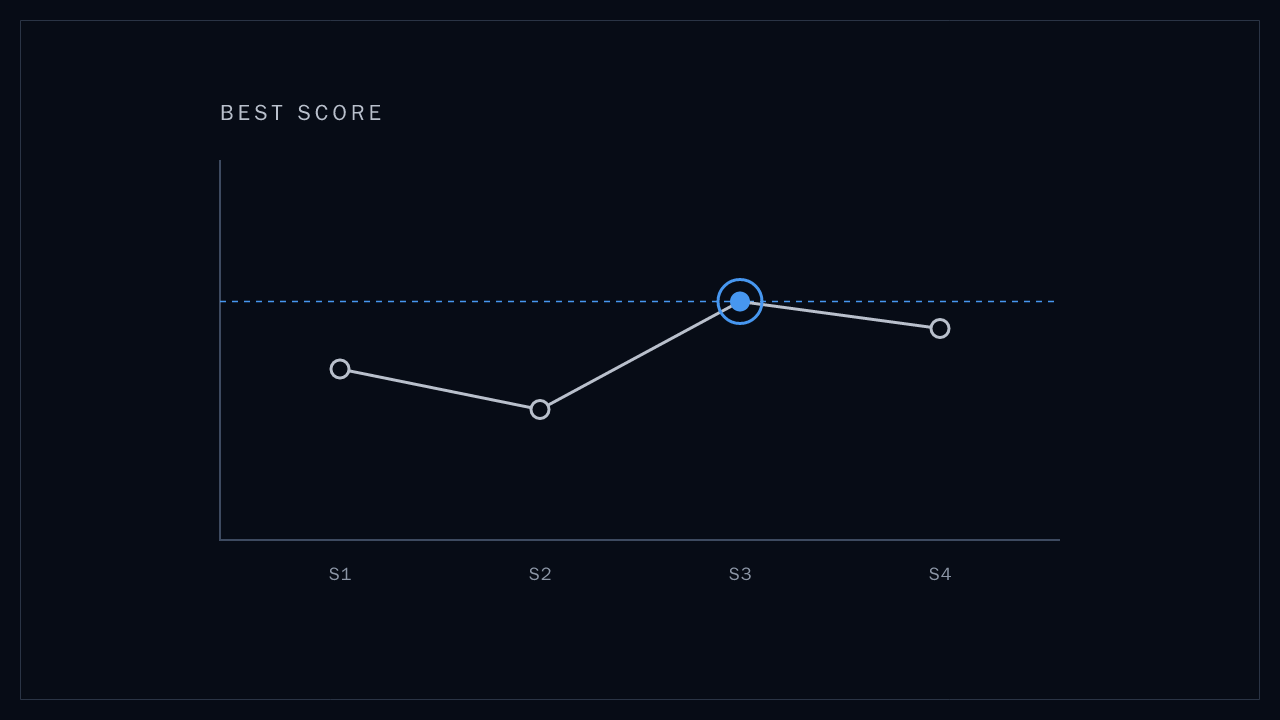
NUST uses the best score under its published series rules, so a lower later score does not replace a higher valid one in the same cycle. You still need to consider the new application, fee, travel and time.
Decide whether Series-2 is worth another attempt
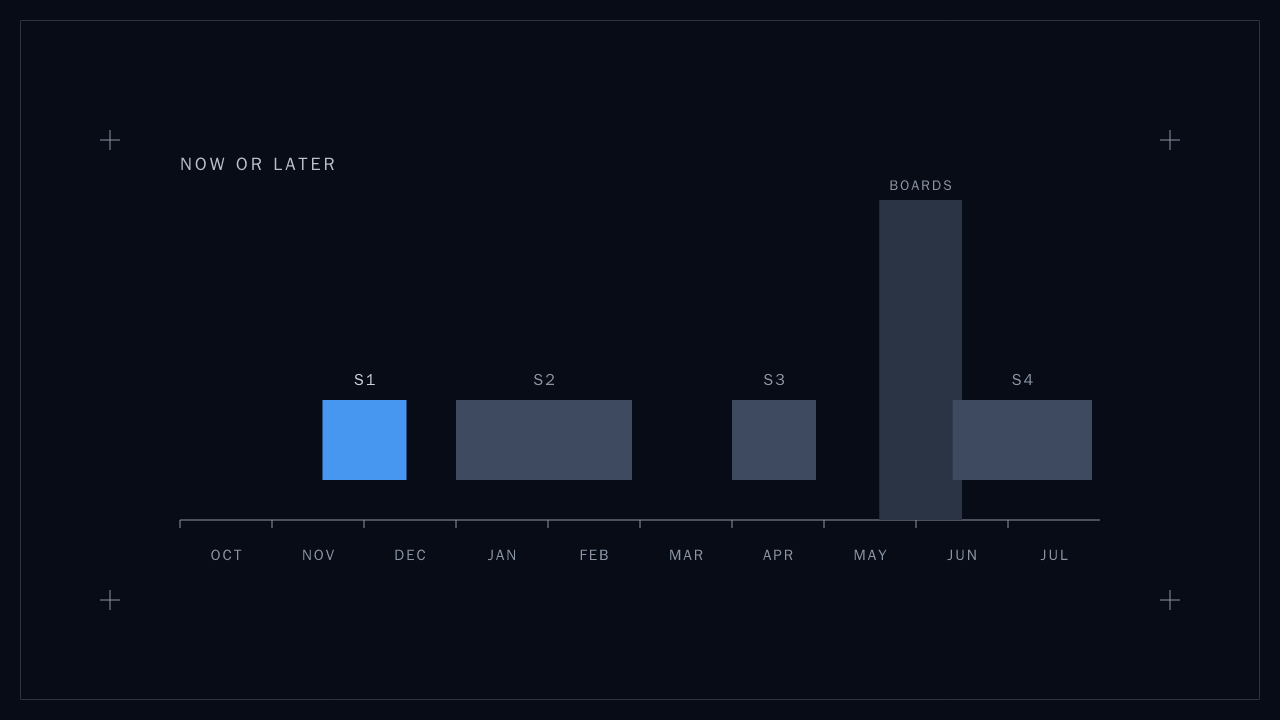
For NET-2027, NUST lists Series-2 registration for December 2026 to January 2027. Tests are listed in Islamabad in January to February, and in Quetta and Karachi in March. Exact days were not published when checked on 14 November 2026. Use the current dates, not a fixed six-week gap from a previous cycle.
After your Series-1 result, calculate your aggregate using your actual academic marks. Each extra NET mark adds 0.375 aggregate points under the 75/15/10 formula. A move from 140 to 150 adds 3.75 points. It does not guarantee a place.
Retake if you can name gaps to repair, afford the new fee and travel, and protect your college work. If your plan is only to repeat the same notes, change the plan before booking. With weeks left, KIPS practice can help work on concepts. Close to your booked sitting, prioritise the relevant OETP edition, textbook gaps, repeated errors and timed practice.
Change the preparation before repeating the test
Write a short review while the first attempt is fresh, without pretending you remember every question exactly. Record topics that felt unfamiliar, decisions that consumed time and any interface problem.
Then test those impressions with chapter practice. A difficult-feeling subject is not always where you can recover the most marks. Identify methods you can improve and check them with unfamiliar questions.
Build the next plan around the actual gap between series. Do not assume every candidate has six or seven free weeks. College, boards and the available test centre can change the schedule.
Understand what another attempt changes
NUST's admission procedure page says you can appear more than once, and the system picks your best score for merit. If you score 150 in Series-1 and 138 in Series-2, merit uses 150. If you score 162 in Series-3, merit uses 162.
Two things follow:
- A retake has no downside on merit. The only costs are the fee, the travel and the study days.
- The best score is one attempt's score. NUST's wording is "best score", and nothing on its pages suggests it combines your best Mathematics from one attempt with your best English from another. Plan to beat your old total in one sitting.
The merit criteria page adds a wrinkle for a few programmes. For BS Bioinformatics, BS Food Science and Technology and BS Chemistry, NUST takes the "best score even if appeared in both NETs", meaning NET-Engineering and NET-Applied Sciences. If you are torn between those papers, the paper guide covers which one fits your programmes.
Start with an attempt review
NUST's FAQ says you can view your result details through the result link on its website. PBNET candidates can also request re-checking within 5 days for Rs. 500, but re-checking only verifies unmarked answers and the totalling. Neither tells you why you lost marks.
Your memory can suggest what to investigate. Record your preparation problems the same evening without trying to reconstruct or publish the test questions. Write down:
- Which section you ran out of time in, and roughly at what question.
- Which chapters produced questions you did not recognise.
- How many questions you guessed, roughly.
- Any interface trouble: unsaved answers, time lost scrolling back with Prev.
Then sit a full paper at home within the week and compare. If both show the same weak chapters, you have your plan.
Repair specific weaknesses
Sort what you found into three causes. Each needs a different fix.
| Cause | Sign | Fix |
|---|---|---|
| Content | You did not know how to start | Re-learn the chapter from the textbook, then 50 MCQs |
| Speed | You knew how, but ran out of time | Timed sets of 20 at 50 seconds a question |
| Process | Unsaved answers, blanks, panic | Two or more papers on the simulator |
Spend most of the hours on content gaps in Mathematics. On the derived counts it has about 100 questions, so a weak Integration or Conic Section costs more than a weak Physics chapter. Keep one full paper a week running throughout.
Your next step
Use the series guide to decide whether another sitting fits your circumstances. Check the aggregate calculator to understand what improvement would change.
Use chapter practice for repairs and the simulator for controls and pacing. A better plan names the work to change, rather than only naming a higher score.
Sources and scope
- "Candidates can appear more than once to improve their score. Best score will be picked by the system for merit generation."
- Each series needs a separate online registration form
Source: NUST procedure, dates to remember and fee pages, checked 14 November 2026