NUST and COMSATS can both belong on your application list. The useful comparison is how each institution will assess your own marks, which programmes are available at the campus you want, and whether you can meet the application schedule.
NUST uses NET for its main test route. COMSATS uses NTS scores in its undergraduate process. Preparing for NET can help with overlapping topics, but it does not complete the COMSATS application or automatically provide the right test score.
Compare the differences
| Admission consideration | NUST | COMSATS |
|---|---|---|
| Main local test route uses NET | Yes | No, NTS route |
| Board marks contribute to merit | Yes | Yes |
| Programme availability depends on campus | Yes | Yes |
How to use this in your plan
Calculate the two merit aggregates using the correct formula rather than comparing raw test percentages. Board marks carry different weight, so the same student can have different prospects at the two universities.
Check the exact COMSATS campus and intake. A programme offered at one campus or in one intake should not be assumed to run everywhere. Keep its form, test requirement and payment deadline separate from your NUST checklist.
If both are realistic, apply before trying to predict a final choice. An application preserves an option; you can compare actual offers and costs later.
Compare your aggregates
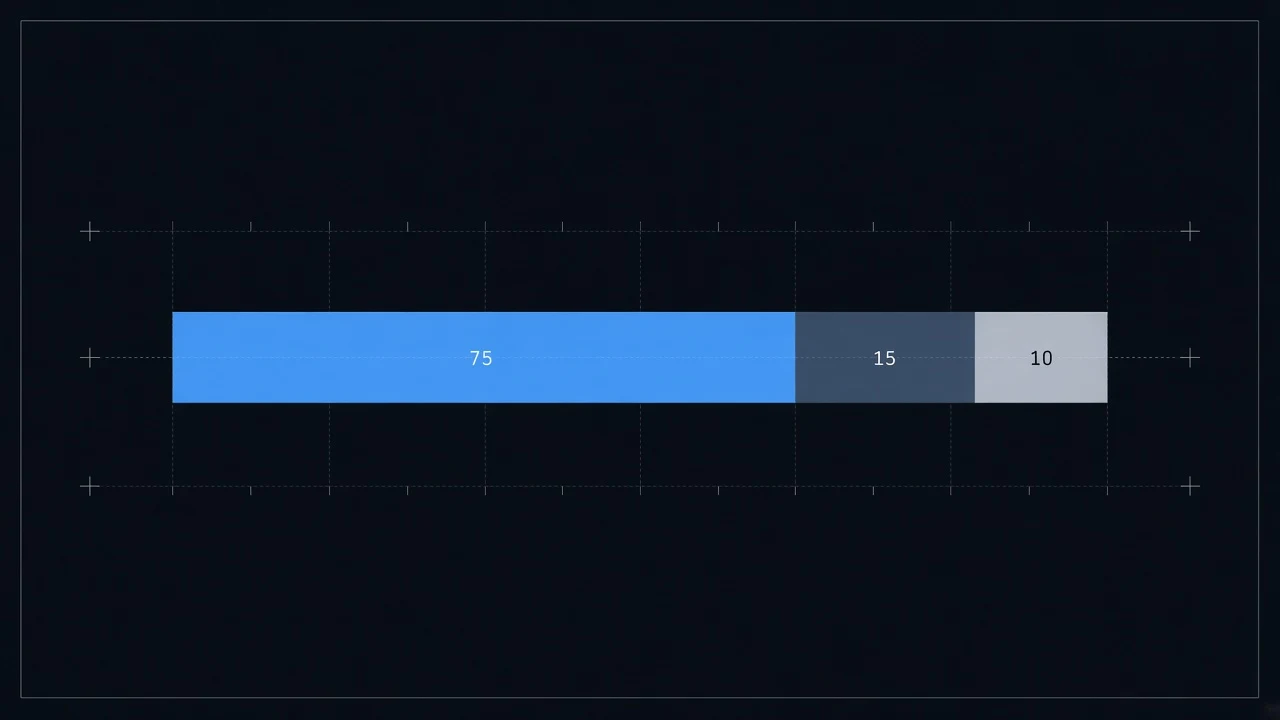
NUST     = NET% x 0.75 + HSSC% x 0.15         + SSC% x 0.10
COMSATS  = NTS% x 0.50 + Intermediate% x 0.40 + matric% x 0.10
The Intermediate weight is the big gap: 40 points at COMSATS, 15 at NUST. Take a student with 80% in matric and 60% on the test, and compare HSSC at 85% and at 65%:
NUST,    HSSC 85%:  45 + 12.75 + 8 = 65.75
NUST,    HSSC 65%:  45 +  9.75 + 8 = 62.75
COMSATS, HSSC 85%:  30 + 34.00 + 8 = 72.00
COMSATS, HSSC 65%:  30 + 26.00 + 8 = 64.00
Twenty points of HSSC difference moves the NUST aggregate by 3 and the COMSATS aggregate by 8. Each university ranks you against its own applicants, so the totals don't compare across the two. The weights do. Strong FSc marks buy you much more at COMSATS. A strong test score buys you more at NUST.
Try your figures in the aggregate calculator. NUST's side, including when it uses 550 or 1100 for HSSC, is in the merit formula post.
Check the programme requirements
| NUST | COMSATS | |
|---|---|---|
| BS CS minimum | 60% in SSC and HSSC | 50% in Intermediate, with Mathematics or Pre-Medical |
| Pre-Medical into CS | Yes, then 6 credit hours of deficient Mathematics within one year | Yes, then specified Mathematics courses within two semesters |
| Engineering minimum | 60% in SSC and HSSC | 60% in Intermediate, plus NTS score of at least 33% |
| ICS into engineering | Yes, with Chemistry as a remedial course in the first semester | Yes, with the same first-semester Chemistry condition |
The 50% floor for COMSATS CS is the main practical difference. If your HSSC came in between 50% and 60%, NUST computing is closed to you this cycle and COMSATS computing isn't.
COMSATS Abbottabad also takes Pre-Medical students into two engineering programmes, BS Electrical Engineering and BS Electrical (Electronics) Engineering. That has applied since Fall 2024.
Your next step
Start with NUST eligibility and the aggregate calculator. Then check your chosen COMSATS campus on its official admissions portal.
Use NET practice for the NUST preparation, and reserve separate sessions for the NTS format. The study-plan guide can organise the shared work without merging the two admission processes.
Sources and scope
- NUST merit: NET 75%, HSSC 15%, SSC 10%
- COMSATS merit: NTS test 50%, Intermediate 40%, matric 10%
Source: NUST merit criteria and salient features pages; COMSATS undergraduate guide 2025-26 and admissions portal key dates; checked October 2026